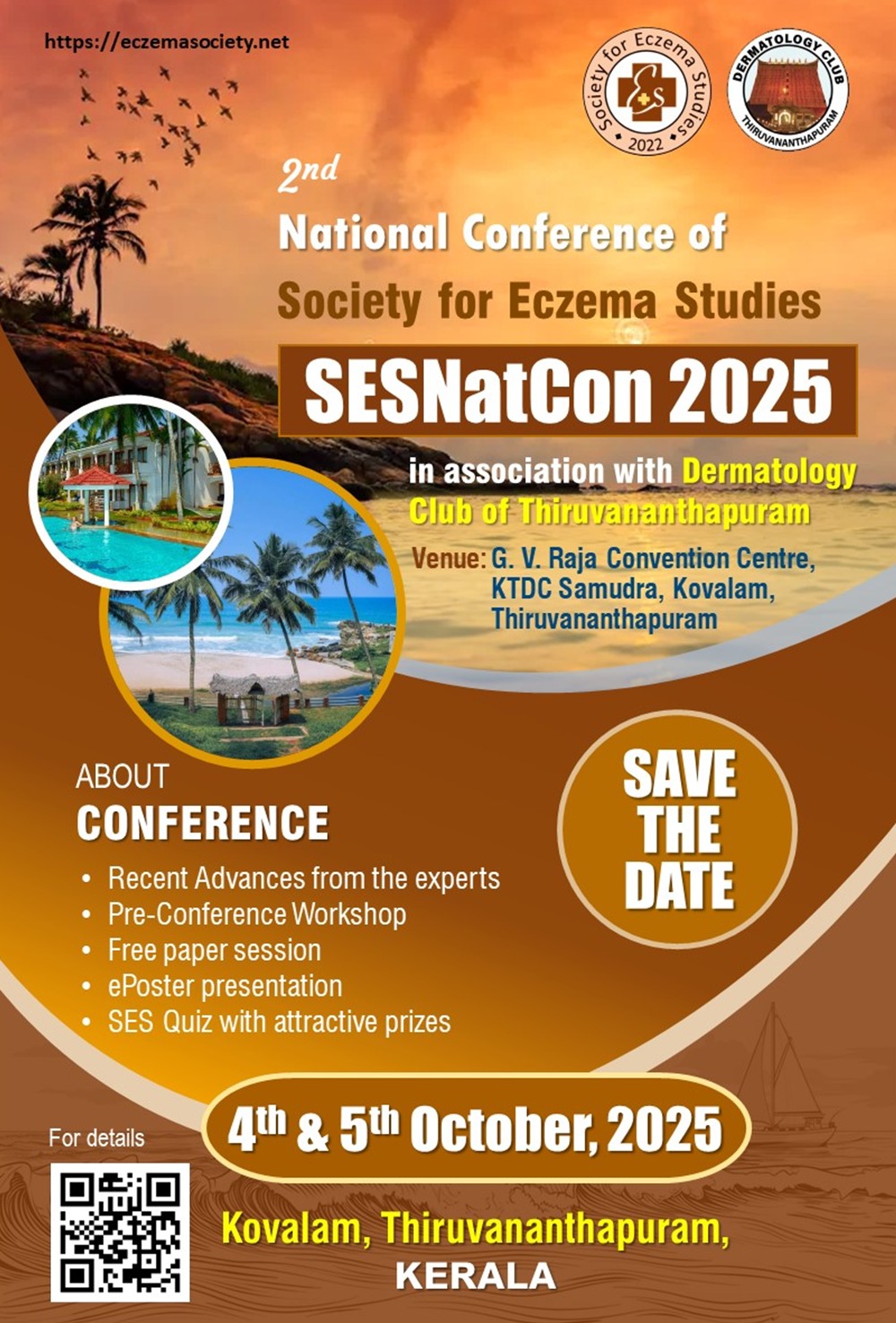
The Society Of Eczema Studies has planned a once a year academic extravaganza in the form of a physical meet.
The SES quizzes will cover the entire spectrum of eczematous disorders and will tease the quizzing spirits of clinicians and academicians alike.
Any Dermatologist, Pediatrician, Pulmonologist, and Internist (Degree, Diploma or DNB) registered with concerned state medical council shall be eligible for life membership of the Foundation.

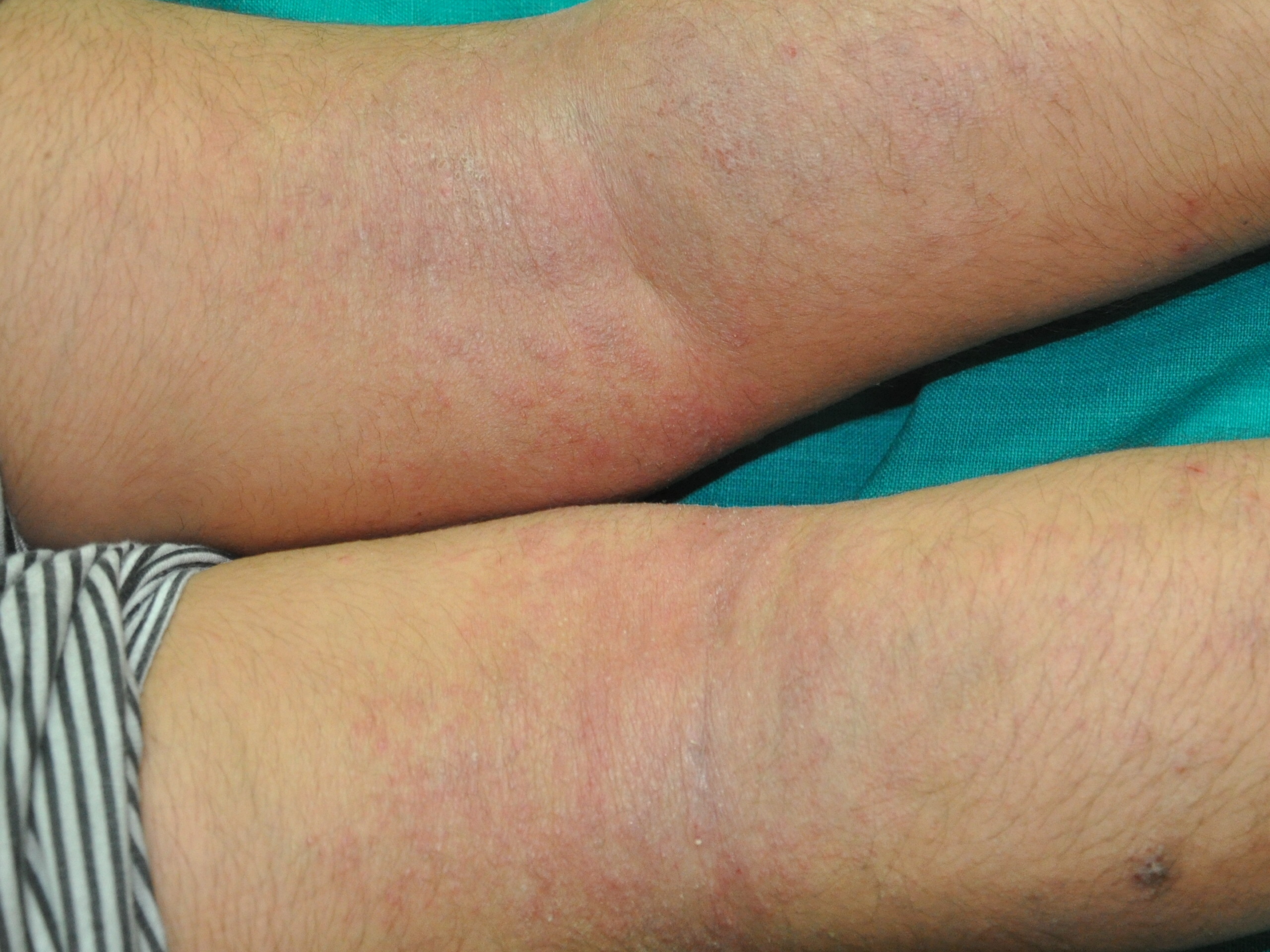

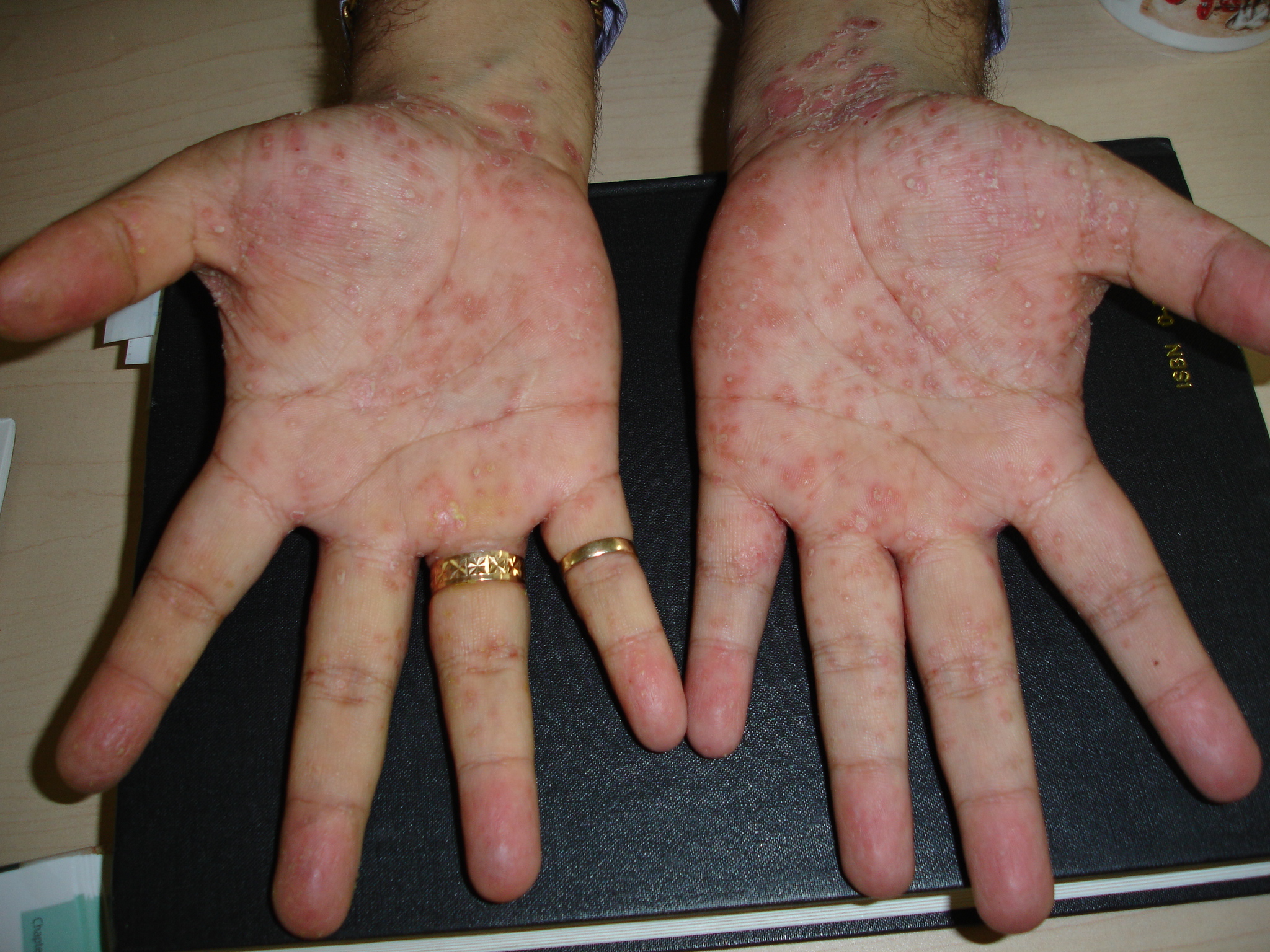
Our Past Programs
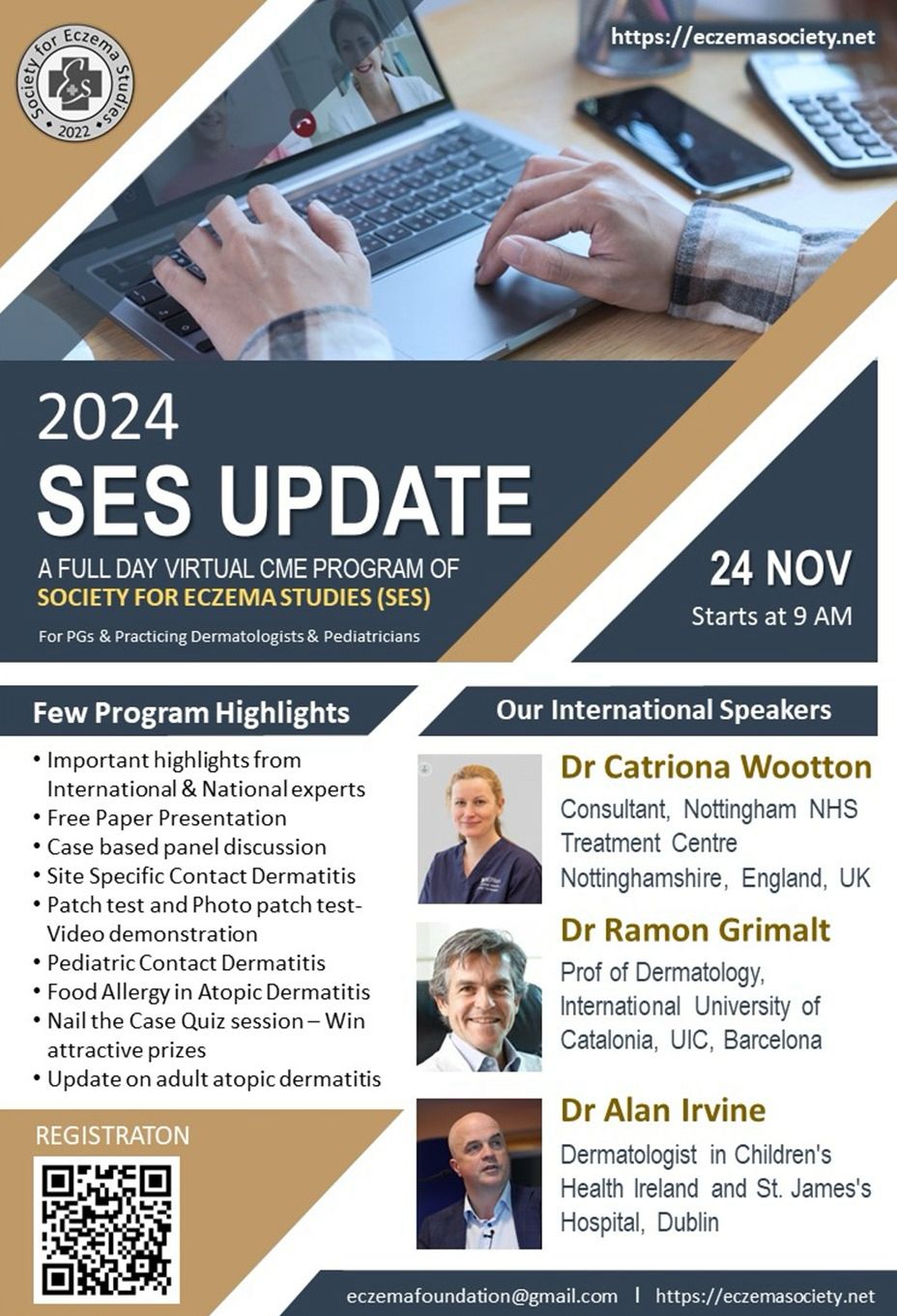

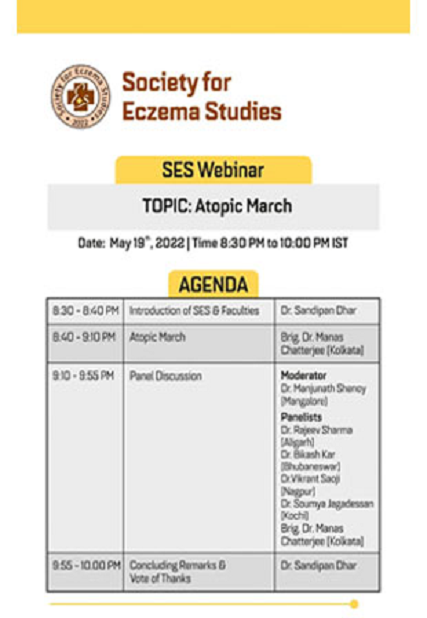
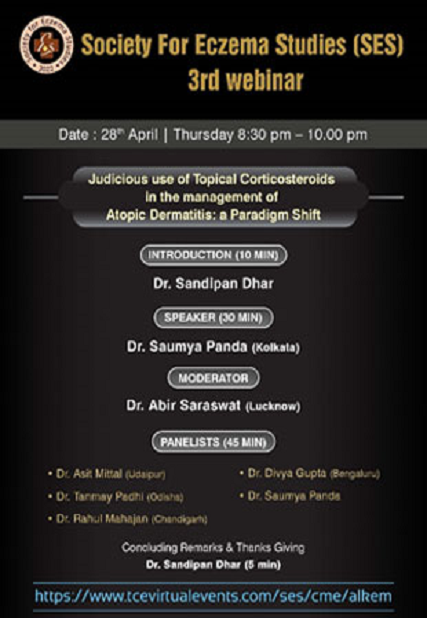
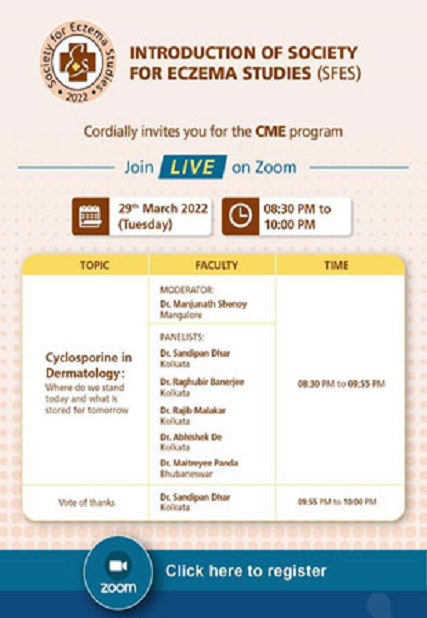

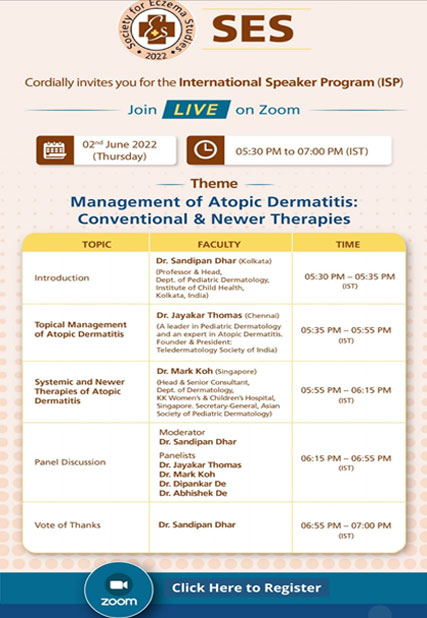

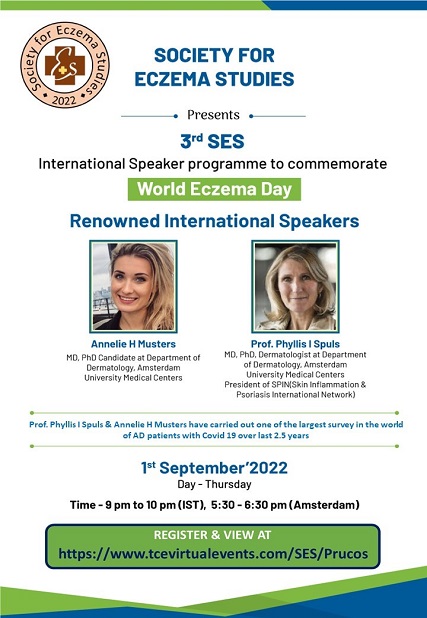
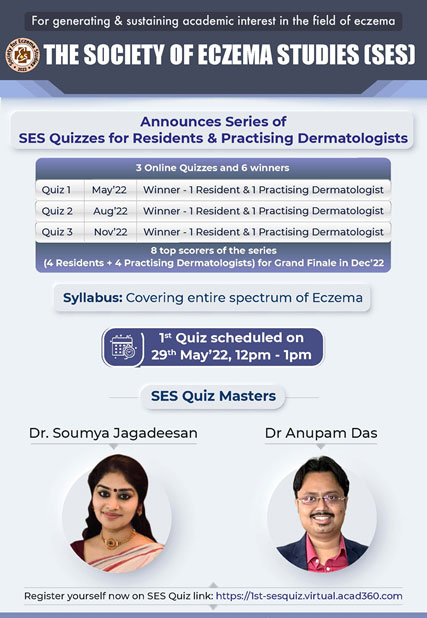
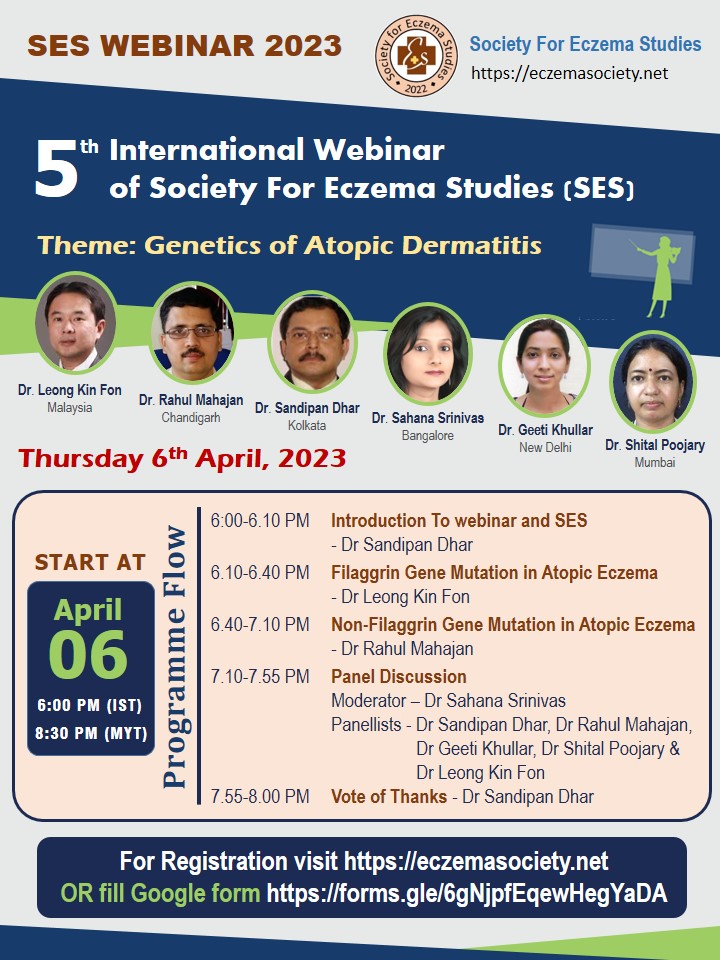

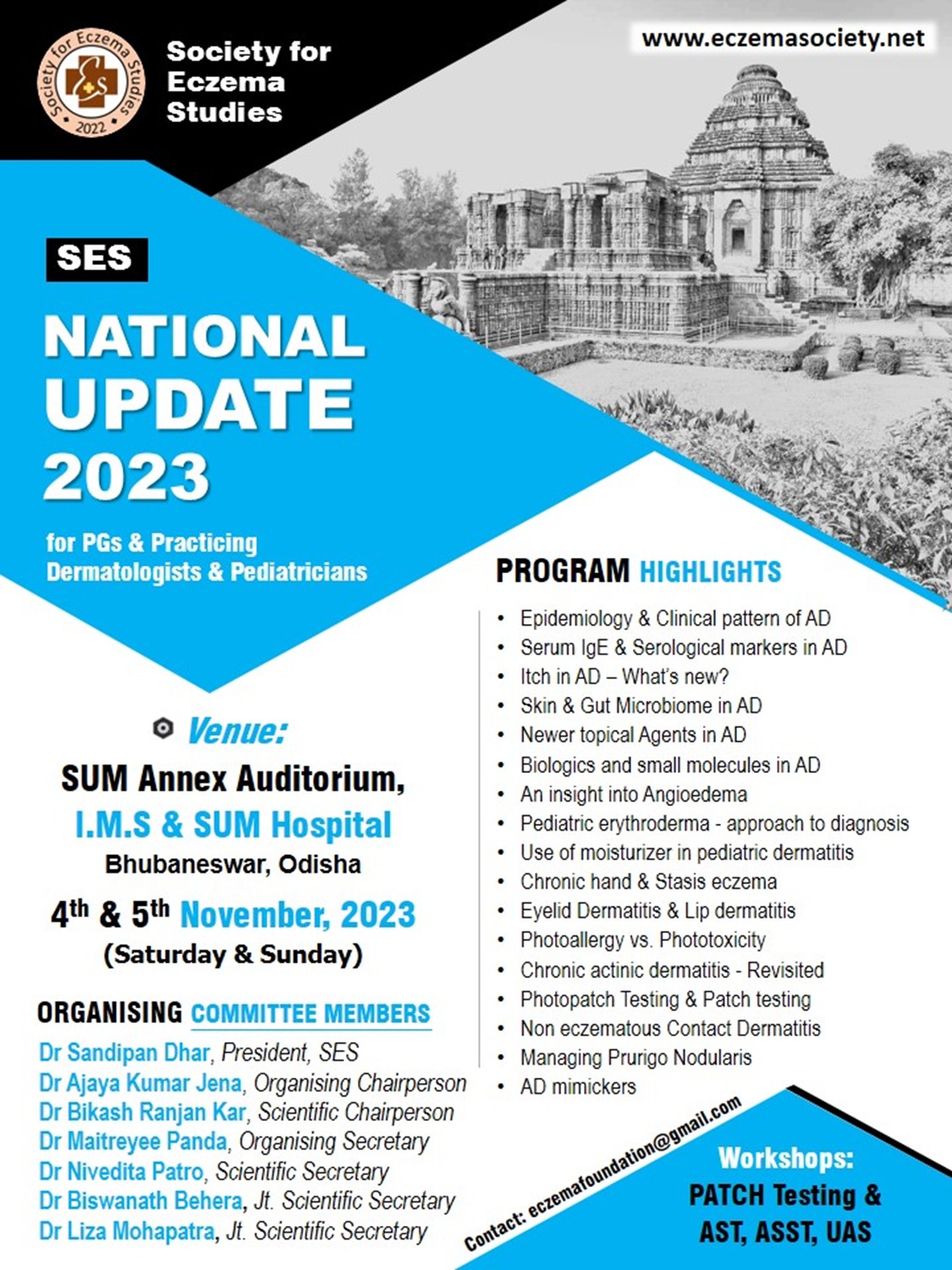



Our Upcoming Programs


Yes, in some individuals — particularly children — specific foods can provoke or worsen eczema flares. The most commonly implicated foods are cow’s milk, hen’s eggs, peanuts, tree nuts, wheat, soy, and fish. However, food triggers are highly individual and are not universally present in all eczema patients. It is important not to eliminate foods without professional guidance, as unnecessary dietary restriction can lead to nutritional deficiencies and, paradoxically, may even increase sensitisation risk in some cases. Always consult your dermatologist before restricting any food.
Allergy testing (skin prick testing or specific IgE blood tests) can be helpful in selected cases — particularly in children with moderate-to-severe eczema that has not responded adequately to standard treatment, or where there is a clear history of reactions after eating specific foods. However, these tests have significant limitations: a positive result does not automatically mean the food is causing your eczema, and a negative result does not entirely rule out a food relationship. Testing should always be interpreted by a dermatologist in the context of your clinical history. Routine allergy testing in all eczema patients is not currently recommended.
An elimination diet — removing suspected trigger foods for a defined period and then reintroducing them systematically — can be a useful diagnostic tool when food triggers are genuinely suspected. It should only be undertaken under the supervision of a dermatologist and a registered dietitian, particularly in children, where nutritional adequacy must be carefully maintained. Self-directed elimination of multiple food groups is not advisable; it can lead to malnutrition, is rarely curative on its own, and may delay effective evidence-based eczema treatments.
Diets rich in fruits, vegetables, whole grains, legumes, oily fish, and healthy fats (such as the Mediterranean diet) are associated with lower levels of systemic inflammation and may have a modest beneficial effect on eczema severity in some individuals. Omega-3 fatty acids — found in oily fish such as salmon, mackerel, and sardines — have been studied for their anti-inflammatory properties. Conversely, diets high in ultra-processed foods, refined sugars, and trans fats may exacerbate inflammation. While no single anti-inflammatory diet has been proven to treat eczema, adopting a balanced, whole-food dietary pattern is a reasonable and safe complementary strategy alongside standard treatment.
The gut microbiome plays an important role in immune regulation, and there is ongoing research into how gut bacteria influence skin conditions including eczema. Some studies suggest that probiotic supplementation during pregnancy and in early infancy may modestly reduce the risk of eczema development in high-risk children. However, the evidence for probiotics as a treatment for established eczema remains inconsistent and inconclusive. Certain probiotic strains (particularly Lactobacillus and Bifidobacterium species) have shown benefit in some trials. Probiotic-rich foods such as yoghurt, kefir, and fermented vegetables may be safely incorporated into the diet, though they should not replace prescribed eczema therapies.
Several supplements have been studied in the context of eczema, with varying levels of evidence:
- Vitamin D: Low vitamin D levels have been associated with increased eczema severity in some studies. Supplementation may be beneficial, particularly in individuals who are deficient — a blood test can determine your levels.
- Fish oil (omega-3): Some evidence of modest anti-inflammatory effect, though results are mixed.
- Zinc: Deficiency has been linked to impaired skin barrier function; supplementation is only advisable if deficiency is confirmed.
Always discuss supplementation with your dermatologist before starting, as some supplements can interact with medications or be harmful in excess.